Essential introduction to the Metal Casting process and its industrial applications
Discovering the Role of a Metal Foundry in Modern Manufacturing Processes
Metal foundries are pivotal in the landscape of modern production. They give crucial parts across different markets, adjusting to the needs of industries such as vehicle and aerospace. Advanced strategies such as 3D printing and automated casting have actually transformed their procedures. Additionally, sustainability has become a top priority, affecting their practices. As these foundries develop, the implications for making effectiveness and advancement are considerable, questioning regarding their future trajectory in an ever-changing economic situation.
The Development of Metal Casting Methods
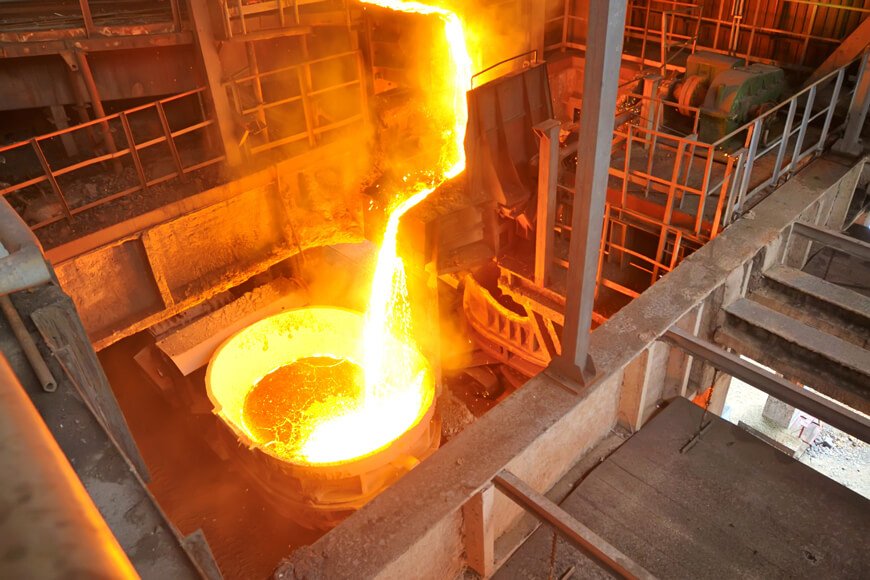
With the rise of automation, foundries adopted approaches like die casting and lost foam casting, simplifying the manufacturing process and minimizing waste. Each evolution in metal casting methods has actually satisfied the requirements of numerous industries, from auto to aerospace. As metal casting remains to development, the interplay in between strategy and modern technology stays crucial in conference modern production obstacles, guaranteeing that foundries thrive and adjust in an ever-changing landscape.
Integration of Advanced Technologies in Foundries
Although conventional metal casting approaches have offered the market well for centuries, the combination of advanced innovations in foundries is transforming the manufacturing landscape. Automation and robotics enhance production processes, enhancing performance and lowering the risk of human mistake. When difficult with standard techniques, technologies such as 3D printing enable for rapid prototyping and the creation of complex geometries that were. Additionally, information analytics and the Web of Points (IoT) enable real-time tracking and predictive maintenance, ultimately causing lowered downtime and increased productivity. These innovations additionally promote modification, enabling suppliers to respond swiftly to market demands. As sustainability comes to be a top priority, the fostering of eco-friendly technologies, such as electric melting furnaces and advanced sand recovery systems, further demonstrates the industry's commitment to development. Jointly, these innovations not only enhance functional efficiency yet additionally position foundries at the center of contemporary production methods.
The Effect of Material Scientific Research on Foundry Workflow
Product science plays a crucial function in enhancing factory operations, influencing both the option of materials and the overall casting process. Advancements in material science supply a much deeper understanding of the properties of metals and alloys, enabling foundries to select the most ideal products for certain applications. This expertise boosts the performance and sturdiness of cast products, which is necessary for satisfying sector criteria.
In addition, innovations in material formulations and ingredients Look At This add to boosted casting methods, enhancing and reducing issues production efficiency. The growth of sophisticated metal compounds and clever products enables foundries to produce lighter, stronger components, which are progressively looked for after in different fields such as vehicle and aerospace.
Additionally, material science aids in the recycling of metals, making procedures much more cost-effective and efficient. By leveraging the latest findings in material science, foundries can adjust to progressing market needs, ensuring their competition in a quickly changing manufacturing landscape.
Sustainability Practices in Modern Metal Foundries
With the expanding emphasis on ecological responsibility, contemporary metal foundries are increasingly carrying out sustainability techniques to reduce their environmental footprint (Aluminum Casting). One key approach involves the recycling of scrap metal, which not only minimizes waste but also conserves energy and resources. Foundries are adopting advanced melting modern technologies that boost energy efficiency, as a result decreasing greenhouse gas discharges. In addition, using ecologically pleasant coatings and products has gained traction, more minimizing dangerous emissions throughout manufacturing
Water conservation strategies, such as closed-loop cooling systems, are being executed to reduce freshwater use. Numerous foundries are likewise purchasing sustainable energy resources, like solar and wind, to power their operations, consequently lowering dependence on fossil gas. Furthermore, team training programs focused on sustainability techniques promote a society of ecological awareness within the labor force. These initiatives collectively contribute to an extra sustainable future for metal foundries while satisfying the needs of eco-conscious customers.
The Future of Foundries in a Transforming Financial Landscape
As the worldwide economic climate develops, foundries face a myriad of challenges and possibilities that will certainly form their visit this web-site future (Aluminum Foundry). The enhancing need for lightweight products and advanced alloys requires innovation in production strategies and technical combination. Automation and wise manufacturing techniques are ending up being vital for enhancing performance and minimizing operational expenses. On top of that, the rise of sustainability issues forces foundries to embrace greener processes and reusing efforts, aligning with international environmental goals
The economic landscape is additionally changing, with supply chain interruptions and fluctuating resources costs presenting considerable hurdles. Foundries should adapt by diversifying their supply sources and spending in materials science. Moreover, partnership with industries such as renewable power and electrical automobiles can foster development. Eventually, the future of foundries will depend upon their ability to leverage technological innovations while remaining responsive to market characteristics and ecological imperatives, ensuring their importance in contemporary manufacturing.
Regularly Asked Questions
What Kinds of Metals Are Generally Utilized in Foundries Today?
Generally used metals in foundries today consist of aluminum, iron, zinc, copper, and steel. These materials are favored for their varied properties, allowing a vast variety of applications in sectors such as vehicle, aerospace, and building.
Exactly how Does a Foundry Make Sure Top Quality Control in Its Products?

What Safety And Security Actions Are Implemented in a Metal Foundry?
Metal foundries implement precaution consisting of individual safety tools, ventilation systems to minimize breathing of fumes, normal safety and security training for employees, emergency feedback procedures, and extensive devices maintenance to lessen dangers and ensure a risk-free workplace.
How much time Does the Metal Casting Refine Generally Take?
The metal casting procedure usually takes several hours to days, relying on factors such as the intricacy of the mold and mildew, the type of metal used, and cooling times. Each project's requirements considerably affect the duration.
What Industries Primarily Count On Metal Foundries for Manufacturing?
Automotive, machinery, aerospace, and building markets primarily depend on metal foundries for production. These industries utilize cast metals for parts, guaranteeing toughness and efficiency important for their particular applications in manufacturing and assembly processes.
Metal foundries are critical in the landscape of contemporary manufacturing. Aluminum Casting. Typical metal casting methods have actually offered the industry well for centuries, the combination of innovative innovations in foundries is reinventing the manufacturing landscape. Advances in product science offer a much deeper understanding of the residential or commercial properties of steels and alloys, allowing foundries to pick the most appropriate products for details applications. With the growing focus on environmental obligation, modern-day metal foundries are significantly executing sustainability go to these guys practices to lessen their eco-friendly footprint. Automotive, building and construction, aerospace, and machinery markets primarily count on metal foundries for production